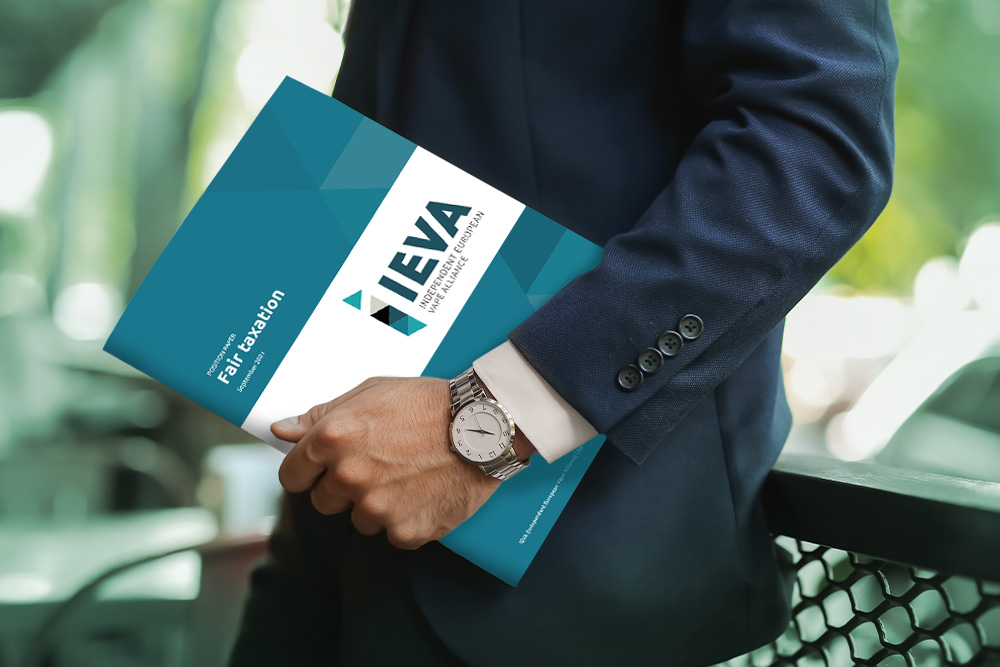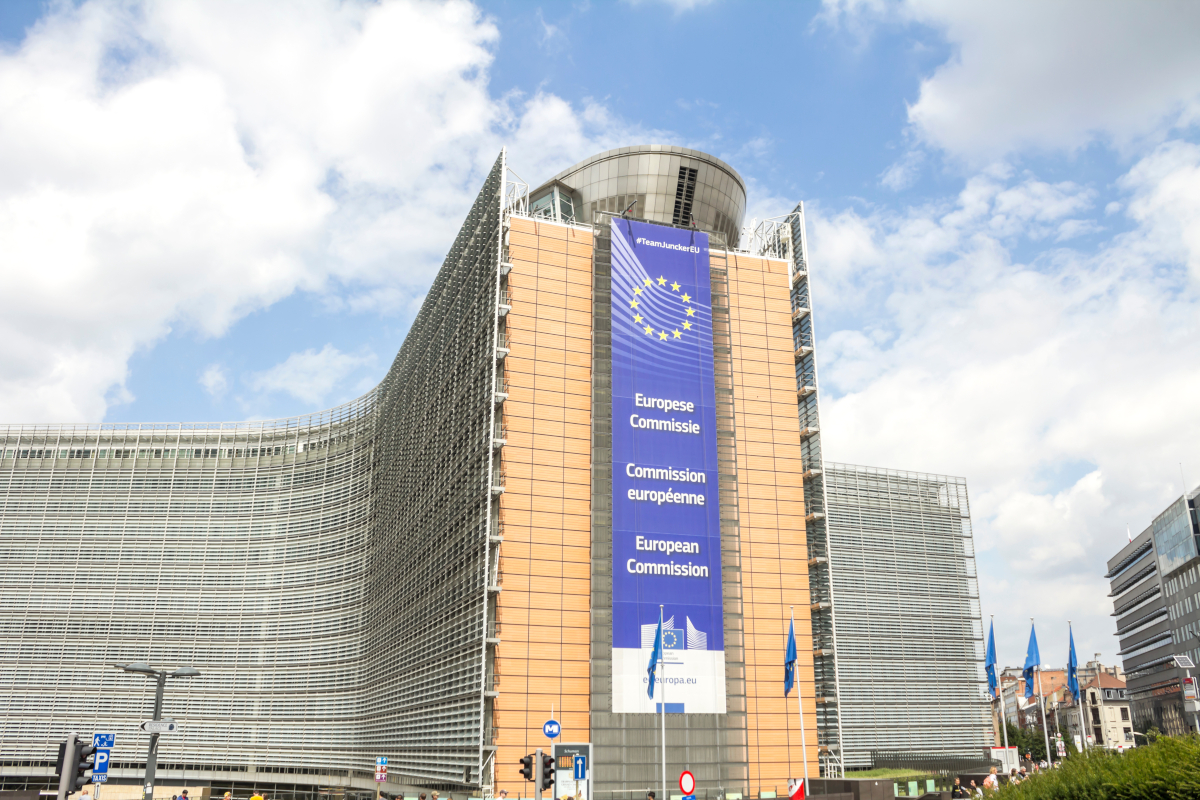
The Independent European Vape Alliance (IEVA) has expressed serious concerns regarding the European Commission’s evaluation of the Tobacco Products Directive (TPD), warning that the report fails to adequately reflect the scientific evidence on harm reduction and the role of vaping in smoking cessation.
“The evaluation presents a fundamentally unbalanced picture,” said Dustin Dahlmann, President of IEVA. “While potential risks are extensively discussed, the well-established evidence on harm reduction is largely ignored.”
A substantial body of independent scientific research demonstrates that e-cigarettes are significantly less harmful than combustible tobacco and play a key role in helping smokers quit. This fundamental distinction is not sufficiently reflected in the Commission’s assessment, which risks treating vaping products in a similar way to traditional cigarettes.
“The EU cannot afford to ignore the principle of harm reduction,” Dahlmann continued. “In many other policy areas, reducing risk is a central approach. When it comes to nicotine products, however, this principle is not being applied consistently.”
IEVA also points to high-quality evidence, including systematic reviews, showing that e-cigarettes are among the most effective tools for smoking cessation, outperforming traditional nicotine replacement therapies. At the same time, real-world data across Europe indicate that the vast majority of vapers are former smokers, underlining the role of these products as alternatives rather than entry points.
Furthermore, IEVA criticises the report for reinforcing the “gateway” narrative without sufficiently acknowledging the growing body of research suggesting that shared behavioural factors (“common liability”) better explain youth experimentation with nicotine products.
“The data clearly show that most users start with combustible tobacco, not with vaping,” Dahlmann said. “Policies must be based on facts, not assumptions.”
IEVA also warns that overly restrictive regulation – particularly regarding flavours and product availability – could have unintended consequences. Flavours are an essential tool for adult smokers trying to quit. Removing them risks pushing consumers back to cigarettes or into the black market.
The association further stresses that the key challenge for youth protection lies not in regulated products, but in the lack of effective enforcement against illegal sales channels, especially online and from third countries.
“Undermining the legal market will not protect young people. On the contrary, it strengthens unregulated markets where no safeguards exist,” Dahlmann added.
IEVA calls on EU policymakers to ensure that the upcoming revision of the TPD is firmly grounded in scientific evidence and proportionate regulation, recognising the different risk profiles of nicotine products.
“The revision of the TPD is a crucial opportunity,” Dahlmann concluded. “Europe needs a modern, evidence-based framework that supports smokers in switching to less harmful alternatives – not one that discourages it.”